
Fridges
Our fridges range covers larder fridges with no freezer compartment, under-counter fridges for a fitted kitchen look, tall freestanding fridges for extra shelf space, and compact mini or table-top fridges for a bedroom, office or caravan. Compare capacity, shelf layout and energy class to find the right size for your household.
Showing all 6 results
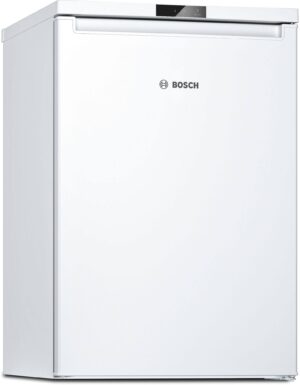
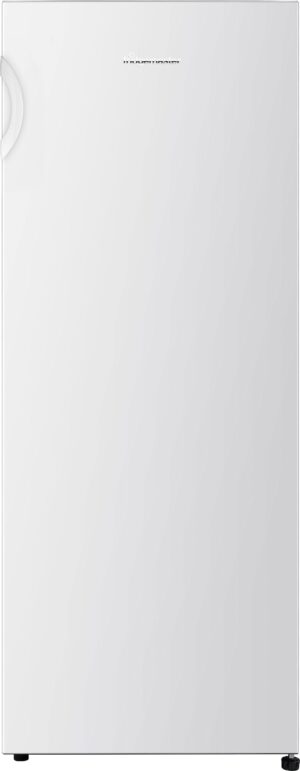
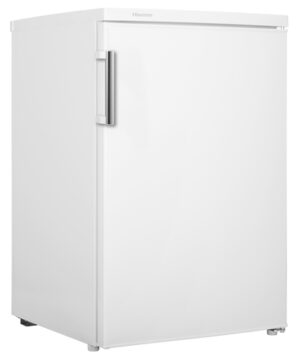
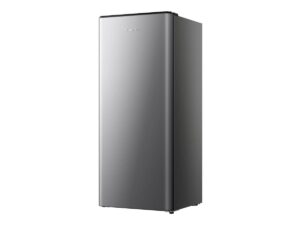
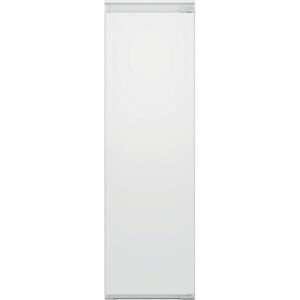
Showing all 6 results
How to choose a fridge
Larder fridge vs fridge with icebox
A larder fridge is fridge-only, giving maximum shelf space for fresh food, while some smaller fridges include a small icebox or freezer compartment for short-term frozen storage, useful if you don't need a full freezer.
Under-counter vs tall fridges
An under-counter fridge fits beneath a worktop for a fitted look and works well as a second fridge, while a tall freestanding fridge offers more total capacity for a household's main fresh food storage.
Size and capacity
Fridge capacity is measured in litres; check the width, height and depth against your available space, including door clearance, as well as shelf and door-bin layout if you store taller bottles or trays.
Energy class
The A–G energy label and annual kWh figure help you compare running costs between fridges of a similar size, which is worth checking if the fridge will run continuously as a second unit.
Freestanding vs integrated
Freestanding fridges stand alone and can be moved between rooms or homes, while integrated and built-under fridges are designed to sit behind a matching cabinet door in a fitted kitchen.
FAQs
What is a larder fridge?
A larder fridge is a fridge-only appliance with no freezer compartment, giving you more shelf space for fresh food; it suits households that already have separate freezer storage.
Can I use a mini fridge as a main kitchen fridge?
A mini or table-top fridge is designed for light use in a bedroom, office or small space rather than as a household's main fridge, since its capacity is much smaller than a full-size or tall fridge.
What size fridge do I need?
This depends on household size and shopping habits; measure your available space first, then compare litre capacity and shelf layout between models that fit, rather than choosing on capacity alone.