
Air Purifiers
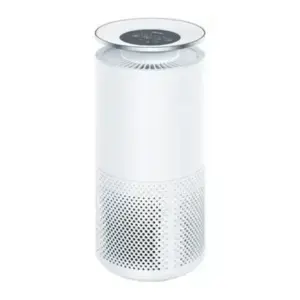
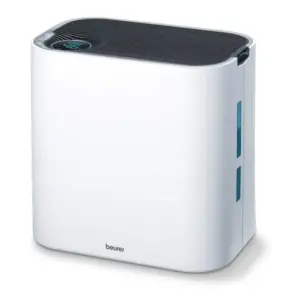
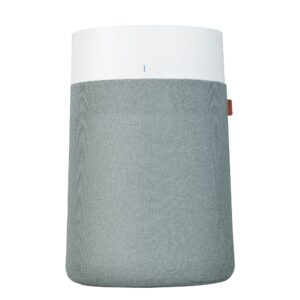
Air purifiers filter dust, pollen, pet dander and some odours from indoor air, using HEPA and activated carbon filters. Our range spans compact bedroom purifiers to larger models for open-plan living spaces, from brands including Levoit, Philips, Dyson, Coway and Boneco.
Showing 1–15 of 60 results
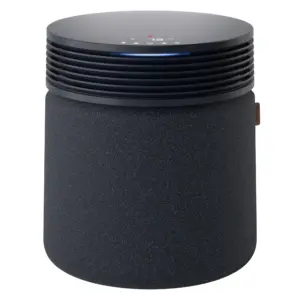
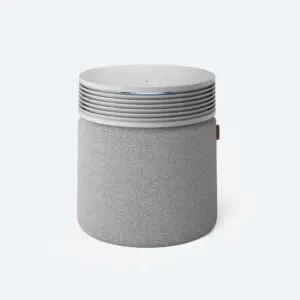
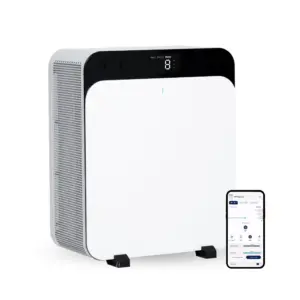
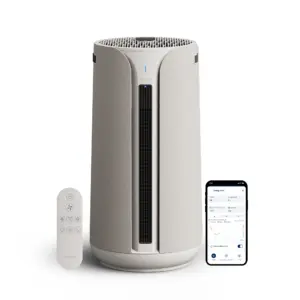
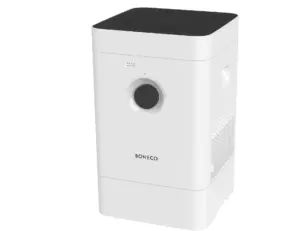
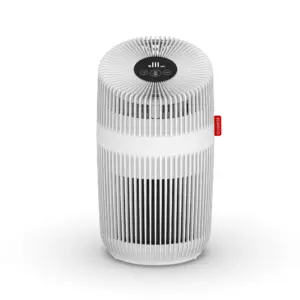
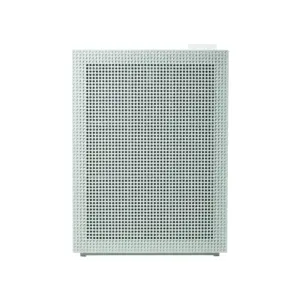
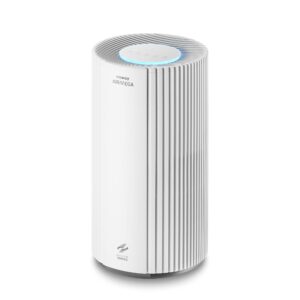
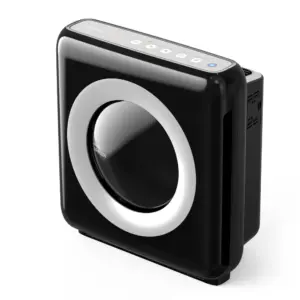
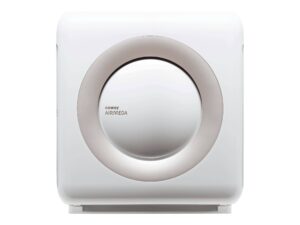
Showing 1–15 of 60 results
How to choose an air purifier
CADR and room size
The Clean Air Delivery Rate (CADR) and manufacturer's recommended room size show how effectively a purifier cleans air in a given space; choosing a model matched to your room size, rather than the largest available, gives the best everyday performance.
HEPA H13 vs carbon filters
A HEPA H13 filter is designed to capture fine airborne particles such as dust, pollen and pet dander, while an activated carbon layer targets odours and some gases; many purifiers combine both in a single filter.
Noise level
Check the noise level in decibels, especially at higher fan speeds, if the purifier will run in a bedroom overnight or in a room where quiet matters.
Filter costs and replacement
Filters need periodic replacement, and cost and interval vary by model and brand; factor ongoing filter costs into your decision alongside the purifier's upfront price.
Smart and app features
Some air purifiers include Wi-Fi or app control, air quality sensors and automatic speed adjustment, letting the purifier respond to changing air quality without manual adjustment.
FAQs
What does HEPA H13 mean?
HEPA H13 is a filter grade capable of capturing a very high proportion of fine airborne particles, including dust, pollen and pet dander, making it a common choice for allergy-conscious households.
How often do air purifier filters need replacing?
This varies by model, usage and air quality in your home; most purifiers indicate when a filter needs changing via an indicator light or the companion app, and manufacturers publish a typical replacement interval.
Can an air purifier help with pet allergies?
A HEPA-filter purifier can capture airborne pet dander and hair particles, which may help reduce allergy symptoms for some people, though it works alongside, not instead of, regular cleaning and grooming.